
If you are missing a tooth or have been told that one cannot be saved, you may be considering a dental implant. One of the first questions you are likely to ask is, “How much are dental implants?”
The answer depends on more than the implant itself. Your total cost may include the implant post, the connector that supports the new tooth, a customized dental crown, imaging, preparatory treatment, and follow-up care. The condition of your teeth, gums, and jawbone can also affect your treatment plan and final fee.
For patients researching dental implants cost in Concord, CA, it is important to understand exactly what is included in a quoted price. An unusually low advertised fee may cover only one part of treatment rather than the complete restoration.
At Julita S. Patil DDS Inc., dental implant recommendations are based on each patient’s oral health, goals, and long-term needs. A personalized evaluation is the most reliable way to determine your expected cost.
What Is a Dental Implant?
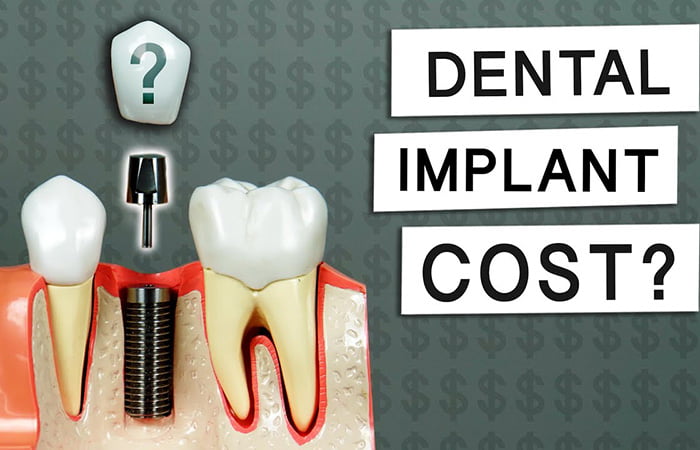
A dental implant is a small post that is placed in the jawbone to replace the root of a missing tooth. Most modern implants are made from biocompatible materials designed to integrate with the surrounding bone.
Once the implant has become stable, it can support a dental crown that replaces the visible portion of the tooth. Implants may also be used to support a bridge or stabilize a denture when several or all teeth are missing.
A complete single-tooth implant restoration usually has three main components:
- The implant post placed in the jawbone
- The abutment that connects the post to the replacement tooth
- The dental crown that provides the visible chewing surface
When comparing the dental implant price in Concord, ask whether the estimate includes all three components. Some advertised prices refer only to implant placement and do not include the abutment, crown, imaging, or other necessary services.
How Much Are Dental Implants in Concord?
The cost of replacing one tooth with an implant can vary considerably. In many cases, a complete single-tooth implant may cost several thousand dollars when the implant, abutment, crown, imaging, and associated care are considered.
However, a general price range cannot accurately predict what an individual patient will pay. A straightforward case involving healthy gums and adequate jawbone will usually cost less than a case requiring tooth extraction, bone grafting, periodontal treatment, or other preparatory procedures.
The number of missing teeth also matters. Replacing one tooth is different from restoring several teeth with an implant-supported bridge. Patients who need full-arch treatment will have a different treatment plan and fee structure than patients replacing a single tooth.
The most accurate estimate is provided after a comprehensive examination. During a dental implant consultation in Concord, CA, the dentist can evaluate your oral health, review diagnostic images, discuss your restoration options, and explain which services are likely to be included in your treatment.
What Affects the Cost of Dental Implants?
No two implant cases are exactly alike. Several clinical and restorative factors can influence the total cost.
The Number of Teeth Being Replaced
Replacing one missing tooth with an implant and crown is generally less expensive than replacing several teeth. However, patients missing multiple teeth may not require one implant for every missing tooth.
For example, two or more implants may be able to support a bridge that replaces several adjacent teeth. This can reduce the number of implant posts needed while still providing a stable, nonremovable restoration.
Patients missing most or all of their teeth may be candidates for an implant-supported denture or full-arch restoration. These treatments involve more extensive planning, additional materials, and a different fee structure.
Tooth Extraction
If a damaged or infected tooth is still present, it may need to be removed before implant placement. The complexity of the extraction can influence the cost.
Some teeth can be removed relatively simply. Others may be fractured, impacted, severely decayed, or surrounded by infection. In certain cases, bone-preserving material may be placed in the extraction site to help maintain the area for a future implant.
Depending on your condition, an implant may be placed at the time of extraction or after the site has healed.
Bone Grafting
A dental implant needs adequate bone for support. When a tooth has been missing for an extended period, the surrounding jawbone may gradually lose volume. Bone loss may also occur because of gum disease, infection, injury, or previous dental treatment.
A bone graft may be recommended to improve the width or height of the jawbone before implant placement. Small grafts may be completed at the time of extraction or implant surgery. More extensive grafting may require a separate procedure and healing period.
Because bone grafting adds materials, clinical time, and follow-up care, it can increase the overall treatment cost. It may also improve the foundation needed for a stable, properly positioned implant.
The Location of the Missing Tooth
The location of the implant can influence both the surgical and restorative portions of treatment.
Front teeth are highly visible and often require detailed planning to create a natural-looking result. The position of the implant, contour of the gums, shade of the crown, and relationship to neighboring teeth all matter.
Back teeth experience significant chewing forces. The restoration must be designed to withstand pressure while fitting comfortably within your bite.
Upper back teeth may also be located close to the sinus cavity. When the available bone is limited, a sinus-related grafting procedure may be recommended before or during implant placement.
The Type of Final Restoration
The restoration attached to an implant affects the total price. A single implant crown differs from an implant-supported bridge, removable overdenture, or fixed full-arch restoration.
Materials also vary. The dentist will consider strength, appearance, bite forces, available space, and the location of the tooth when selecting a restoration.
A custom crown designed to blend with the surrounding teeth may cost more than a temporary or prefabricated component. However, the final restoration is a major part of how the implant looks, feels, and functions.
Diagnostic Imaging and Treatment Planning
Successful implant treatment begins with careful planning. Standard dental X-rays may be used to evaluate the teeth and supporting structures. In some cases, three-dimensional imaging may be recommended to assess the shape of the jawbone and the position of nearby anatomical structures.
Digital planning can help determine an appropriate implant size, angle, and location. The need for advanced imaging, surgical guides, or other planning tools may affect the treatment fee.
These services should not be viewed as optional extras without purpose. Accurate planning is an important part of creating a safe, predictable, and restorative-driven treatment plan.
Gum Health and Existing Dental Conditions
Healthy gums are essential for long-term implant stability. Active gum disease, infection, uncontrolled decay, or other oral health concerns may need to be addressed before implant treatment begins.
Periodontal therapy, restorative care, or treatment for infection can add to the initial cost. However, placing an implant in an unhealthy oral environment may increase the risk of future complications.
Your dentist will also evaluate your bite, remaining teeth, home care, and health history. The goal is not simply to place an implant. It is to create a restoration that fits into a healthy and maintainable oral environment.
Are Affordable Dental Implants in Concord Available?
Patients searching for affordable dental implants in Concord should focus on overall value rather than the lowest advertised number.
Implant treatment is a multistep process that includes diagnosis, surgical care, restorative design, laboratory work, materials, and follow-up appointments. A low promotional price may exclude important parts of the treatment.
Before choosing a provider, ask for a written estimate and clarification about what it includes. Useful questions include:
- Does the quoted price include the implant, abutment, and final crown?
- Are diagnostic images included?
- Is tooth extraction included?
- Will I need bone grafting?
- Are temporary teeth included when needed?
- Are follow-up visits included?
- Who will complete the surgical and restorative stages?
- What happens if the treatment plan changes?
Affordable care should still be carefully planned and customized. The least expensive option initially may not provide the best long-term value if important services, materials, or follow-up care are excluded.
Does Dental Insurance Cover Implants?
Dental insurance coverage varies significantly between plans. Some policies provide partial benefits for certain parts of implant treatment, while others exclude implants or classify them as elective care.
Even when an implant is covered, the plan may have an annual maximum, waiting period, missing-tooth limitation, or percentage-based benefit. Your plan might contribute toward the crown but not the implant surgery, or it may cover an alternative treatment amount based on the cost of a bridge or denture.
It is helpful to review your benefits before treatment. The dental office may be able to provide a treatment estimate and submit information to your insurance company. However, an estimate of benefits is not a guarantee of payment.
Patients should also consider deductibles, annual maximums, frequency limitations, and any portion that will remain their responsibility.
Can Dental Implant Treatment Be Financed?
Because implant treatment may represent a substantial investment, some patients choose to divide the cost into manageable payments. Financing options may vary by practice and may be subject to approval.
When reviewing payment arrangements, consider the total financed amount, interest rate, repayment period, and any promotional conditions. A lower monthly payment may involve a longer repayment period, so it is important to understand the complete agreement.
It may also be possible to complete treatment in stages. For example, a patient may begin with an extraction and bone preservation procedure, allow the site to heal, and then proceed with implant placement later. Staging treatment does not necessarily reduce the total cost, but it may spread expenses across a longer period.
Discuss financial concerns openly during your consultation. A clear treatment sequence can help you understand when payments are likely to be due.
Are Dental Implants Worth the Cost?
For many patients, dental implants provide benefits that make them a valuable long-term investment.
Unlike a traditional bridge, a single-tooth implant usually does not require the neighboring teeth to be reshaped for crowns. The implant also helps support the jawbone in the area where the natural tooth root is missing.
An implant-supported tooth is designed to remain stable during eating and speaking. It does not rely on removable adhesive and can be brushed and cared for similarly to a natural tooth, although special cleaning techniques may be recommended around the restoration.
Dental implants are not maintenance-free. The crown can experience wear, fracture, or loosening over time. The tissues around an implant can also develop inflammation or infection when plaque is not adequately controlled.
Regular dental examinations, professional cleanings, effective home care, and protection from excessive bite forces are important. Patients who grind their teeth may be advised to use a nightguard to help protect the implant crown and other teeth.
The value of treatment should be considered in terms of comfort, chewing ability, oral health, appearance, convenience, and expected longevity rather than price alone.
Dental Implants Compared With Bridges and Dentures
Dental implants are not the only way to replace missing teeth. Depending on your oral health and preferences, a bridge, removable partial denture, or complete denture may also be considered.
A traditional dental bridge uses neighboring teeth for support. It may be completed more quickly than an implant and does not require implant surgery. However, the supporting teeth generally need to be reshaped, even when they are otherwise healthy.
A removable partial denture can replace several teeth and may have a lower initial price. It must be removed for cleaning and may feel less stable than a fixed restoration.
A complete denture replaces all teeth in an arch. Conventional dentures rest on the gums, while implant-supported dentures use implants for additional stability.
The best option depends on the number and location of missing teeth, the condition of the remaining teeth, bone availability, health history, treatment timeline, and budget. Your dentist can explain the advantages and limitations of each approach.
How Long Does Dental Implant Treatment Take?
Dental implant treatment often takes several months from the initial evaluation to placement of the final crown. The timeline varies according to the condition of the site and the procedures required.
After an implant is placed, time is usually allowed for the surrounding bone to integrate with it. Some patients may wear a temporary tooth during this period.
Patients who need an extraction, bone graft, or treatment for infection may require additional healing time. In selected situations, an implant and temporary restoration may be placed sooner, but immediate treatment is not appropriate for every patient.
A longer timeline does not necessarily mean that something has gone wrong. Healing is an essential part of the process, and rushing treatment may not be in the patient’s best interest.
Who Is a Candidate for Dental Implants?
Many adults with missing teeth can be considered for implant treatment. Age alone is not usually the deciding factor. Overall health, oral health, bone support, healing ability, and commitment to maintenance are more important.
Certain health conditions, medications, smoking, active gum disease, and uncontrolled teeth grinding may affect healing or long-term implant success. These factors do not automatically rule out treatment, but they must be evaluated carefully.
Patients should share a complete medical history, medication list, and information about previous dental treatment during the consultation. This allows the dentist to identify potential concerns and coordinate care when needed.
What Happens During a Dental Implant Consultation?
A dental implant consultation in Concord, CA is the first step toward receiving a personalized treatment plan.
The appointment may include a discussion of your concerns, an examination of the missing-tooth area, evaluation of your gums and remaining teeth, diagnostic imaging, and a review of your medical history.
Your dentist may also assess your bite and discuss the type of replacement tooth you want. Esthetic expectations, treatment timeline, temporary tooth options, and financial considerations can be reviewed.
After gathering the necessary information, the dentist can explain whether you appear to be a candidate for an implant and whether additional procedures may be needed. You should receive a clearer understanding of the expected treatment sequence and associated costs.
Why a Personalized Estimate Matters
Online estimates can provide a starting point, but they cannot account for the unique condition of your mouth. Two patients replacing the same tooth may have very different needs.
One patient may have healthy bone and require only implant placement and a crown. Another may need extraction, infection management, bone grafting, a temporary restoration, and additional healing time.
A personalized estimate also helps you compare treatment options more accurately. Rather than asking only, “How much are dental implants?” consider asking what treatment will provide the best balance of health, comfort, predictability, appearance, and long-term value.
Schedule a Dental Implant Consultation in Concord, CA
Understanding the dental implants cost in Concord, CA begins with a thorough evaluation. The final price depends on the number of teeth being replaced, the condition of your jawbone and gums, the type of restoration selected, and whether preparatory care is needed.
Our dental clinic in Concord, CA provides individualized dental care for patients in Concord and nearby East Bay communities. During your consultation, the team can evaluate your needs, discuss appropriate tooth replacement options, and explain the anticipated cost of treatment.
If you are comparing the dental implant price in Concord or looking for affordable dental implants in Concord, start by requesting a complete treatment estimate rather than relying on a single advertised fee.
Schedule a dental implant consultation with Julita S. Patil DDS Inc. to learn whether an implant may be right for your smile and what your personalized treatment plan may involve.